

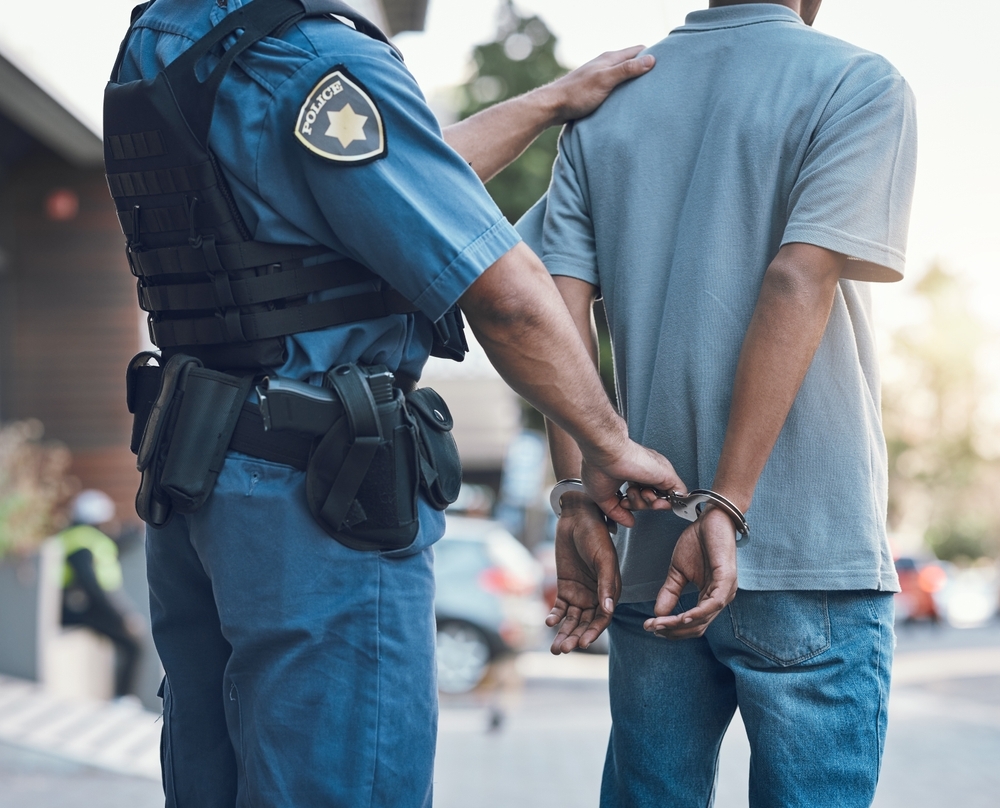
If you or someone you care about was just arrested in Palm Beach County, your mind is probably racing. You are thinking about jail, court, your job, your family, and what happens next. That reaction is normal. However, the most important thing you can do right now is understand the process.
When you know what to expect after an arrest in Palm Beach County, you make better decisions. You avoid panic. Most importantly, you protect your future. Contact BD Law today if you or someone you love is facing criminal charges in Palm Beach County, Florida or any of the surrounding areas.
Let’s walk through this step by step so you know exactly what happens from the moment of arrest forward.


Step One: Arrest In Palm Beach County: What Happens After You Are Arrested And Taken To Jail?
After law enforcement places you under arrest, officers will transport you to one of the two primary detention facilities operated by Palm Beach County. During this stage, anything you say can still be used against you. Therefore, remain calm and exercise your right to remain silent.
Even if officers try to engage you in conversation, keep your responses minimal. This is not the time to explain your side of the story. Instead, focus on protecting your rights.
Similar Post: Your Rights During A Criminal Investigation In Florida: What You Must Do Before You Say A Word
Step Two: Booking Process In Palm Beach County: What Happens During Booking After An Arrest?
Once you arrive at the jail, the booking process begins. This step can take several hours depending on how busy the facility is.
During booking, officers will:
- Record your personal information
- Take fingerprints
- Take a mugshot
- Inventory your personal belongings
- Run a background check
- Enter the charges into the system
This is also when your arrest becomes public record. For many professionals and business owners in Palm Beach County, this can be one of the most stressful parts of the process. Unfortunately, once the booking information is entered, it may appear online quickly.
Step Three: First Appearance Within 24 Hours: What Happens At Your First Court Hearing After An Arrest In Palm Beach County?
Florida law requires that you appear before a judge within 24 hours of your arrest. This hearing is called a First Appearance.
During your first appearance in Palm Beach County, the judge will:
- Review the charges
- Determine whether probable cause exists
- Set bond conditions
- Address release terms
In some cases, the judge may release you on your own recognizance, which means you do not have to post money. In other situations, the court will set a monetary bond. The amount depends on the severity of the charge, your criminal history, and whether the court believes you are a flight risk.
This stage moves quickly. Therefore, having legal representation early can make a significant difference in how bond is argued and structured.
Step Four: Posting Bond And Release: How Do You Post Bond And Get Released From Jail In Palm Beach County?
If the judge sets bond, you or a family member can post it. Bond can be paid in cash or through a licensed bail bond agent, who typically charges a nonrefundable percentage.
Once a bond is posted, release is not always immediate. Processing times vary, and it may take several hours before discharge paperwork is completed.
After release, follow all bond conditions carefully. These conditions may include:
- No contact with alleged victims
- Travel restrictions
- Drug or alcohol testing
- Firearm surrender
- Curfews or supervision
Violating bond conditions can result in immediate re-arrest.
Step Five: Arraignment In Palm Beach County: What Happens At Arraignment And What Does Your Plea Mean?
After your first appearance, the court schedules an arraignment. During arraignment, the judge formally reads the charges, and you enter a plea of guilty, not guilty, or no contest.
In most cases, defendants plead not guilty at this stage. This plea preserves your right to review evidence and build a defense.
An arrest in Palm Beach County does not equal a conviction. Arraignment simply moves the case into the next phase.
Step Six: Discovery And Case Building: What Evidence Will Be Shared And How Is Your Defense Built After Arraignment?
After arraignment, the prosecution must provide evidence through a process called discovery. This may include:
- Police reports
- Body camera footage
- Witness statements
- Surveillance video
- Lab results
- 911 recordings
This stage often reveals weaknesses in the state’s case. Evidence may conflict. Witnesses may change stories. Procedures may not have been followed properly.
A strategic review during this phase can shape negotiations or trial preparation. The earlier a defense strategy begins, the more options you preserve.
Step Seven: Negotiation Or Trial: Will Your Case Be Resolved Through Negotiation Or Go To Trial In Palm Beach County?
Many cases in Palm Beach County resolve through negotiation. Depending on the circumstances, outcomes may include:
- Case dismissal
- Reduced charges
- Diversion programs
- Withheld adjudication
- Probation
However, if the state refuses reasonable terms, the case may proceed to trial. Trial preparation involves motion hearings, evidence challenges, and witness examination.
Every case follows its own timeline. Some resolve quickly. Others take months. The key is proactive defense rather than reactive damage control.
Palm Beach County Criminal Cases: What Makes Cases Here Different From Other Florida Counties?
Palm Beach County courts move efficiently, but they also take certain offenses very seriously, especially DUI, drug crimes, domestic violence, and firearm charges.
Additionally, public record exposure can impact professionals, executives, and business owners immediately. Therefore, reputation management often becomes part of the broader defense strategy.
Understanding local court procedures, judges, and prosecutors can influence how a case progresses.
Similar Post: How Can Pre-Arrest Legal Strategy Minimize Public Exposure for High-Profile Families?
First 72 Hours After An Arrest In Palm Beach County: Why Do The First Three Days Matter So Much For Your Case?
After an arrest in Palm Beach County, the first three days shape everything. Statements made early can become core evidence. Bond conditions can affect your freedom.
Acting quickly allows you to:
- Protect your right to remain silent
- Address bond aggressively
- Preserve favorable evidence
- Prevent unnecessary missteps
- Develop a strategic plan
Waiting limits your options.
Arrest In Palm Beach County: How Can You Protect Your Future After An Arrest And Take Control Of Your Case?
An arrest in Palm Beach County can feel immediate and overwhelming. However, what you do next has a direct impact on how your case unfolds. Every decision made in the early stages can influence your bond, your record, and your long-term future.
At BD Law, the focus is on stepping in early, controlling the narrative, and protecting your position before the situation escalates. Taking action right away allows you to stay ahead instead of reacting later.
Right now, focus on three critical steps:
- Remain silent about the facts of your case
- Follow all court orders and bond conditions
- Take immediate steps to build a strong defense strategy
The first 72 hours after an arrest often shape the direction of the entire case. During this window, bond arguments can be strengthened, unnecessary risks can be avoided, and key details can be addressed before they become problems.
If you or someone close to you has been arrested in Palm Beach County, do not wait to see what happens next. Proactive decisions now can influence whether charges are reduced, dismissed, or aggressively pursued.
Take control of your situation today. Contact BD Law at (561) 778-5213 to discuss your case, protect your rights, and start building a strategy that puts you in the strongest possible position moving forward. We represent clients throughout Palm Beach County, including Jupiter, Boca Raton, Wellington, Manalapan, and surrounding areas.
Disclaimer: This blog is intended for informational purposes only and does not establish an attorney-client relationship. It should not be considered as legal advice. For personalized legal assistance, please consult our team directly.