

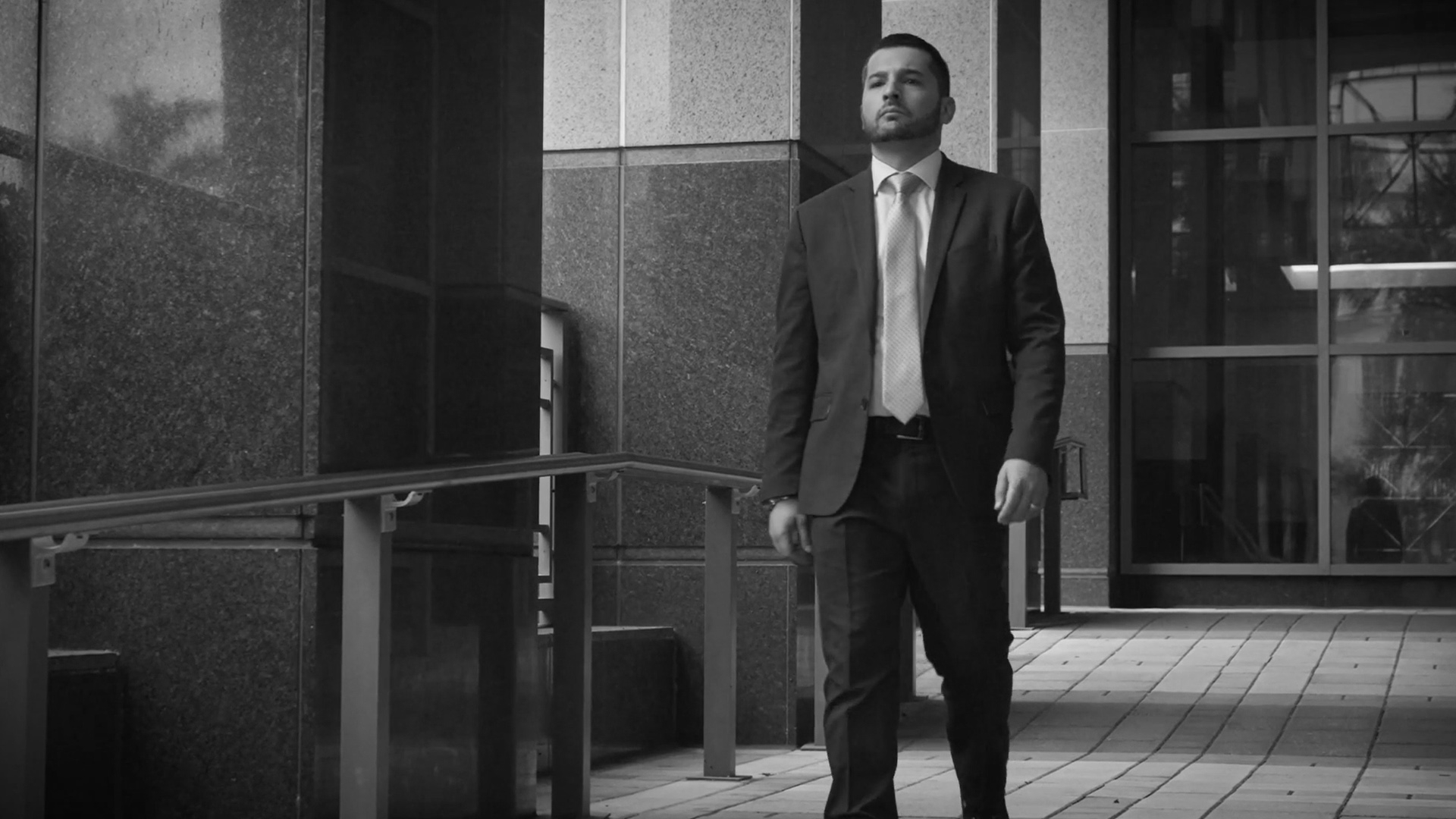
Hemp Beverage Defense Attorney in West Palm Beach, FL, Representing Businesses Facing Technical Hemp Charges
THCA flower, hemp-derived beverages, and other cannabinoid products can create legal problems that are far more technical than their labels suggest. Under hemp regulations, a product marketed as “hemp,” supported by a certificate of analysis, or purchased from an established supplier may still become the subject of an investigation. Often, this happens when authorities contend that its cannabinoid content, testing, labeling, or other characteristics place it outside Florida law. Just breaking down what constitutes a violation can be challenging, but a THCA and hemp beverage charges lawyer in West Palm Beach can help you understand charges or citations, your options, and what to do next.
BD Law represents clients facing hemp-related investigations, seizures, citations, and criminal allegations throughout Palm Beach, Broward, and Martin Counties. Attorney Brandon Dinetz is a former Division Lead Attorney at the Palm Beach County State Attorney's Office who brings nine years of legal experience and a trial-focused criminal-defense approach to cases involving technical evidence.
If your business is facing scrutiny over THCA products, hemp beverages, or cannabinoid testing, don’t wait to bring on professional guidance. Contact BD Law today for a free, confidential consultation with a hemp beverage defense attorney in West Palm Beach, FL.
Federal and state hemp laws discussed below are current as of September 10, 2026.


Facing Criminal Charges? BD Law Can Help.
Speak With Our Top-Rated
Criminal Defense Attorney
Florida Business Owners Who May Be Impacted by THCA and Hemp Beverage Investigations
THCA and hemp beverage cases can affect smoke shops and other retailers selling prepackaged products, as well as restaurants, cafes, bars, and other businesses that offer cannabinoid-infused drinks for on-premises consumption or takeout. The applicable requirements can depend on how the product is made, packaged, labeled, distributed, and sold.
Florida businesses already operate under state hemp regulations that govern THC concentration, testing, certificates of analysis, packaging, labeling, and sales. For retailers, beverage businesses, processors, and distributors, understanding how those rules apply to THCA and hemp-derived products can become critical when a product is questioned by regulators or law enforcement. These THCA and hemp beverage matters primarily involve Florida law, although separate changes to federal hemp law are scheduled to take effect in two stages, beginning November 12, 2026, with most of the new restrictions taking effect December 11, 2026, and may carry distinct consequences.
Florida’s Total-Delta-9 THC Standard and How It Applies to THCA and Hemp Beverage Products
Florida law generally defines hemp as cannabis containing no more than 0.3% total delta-9 THC on a dry-weight basis. Hemp extract is subject to the same 0.3% total-delta-9 threshold on a wet-weight basis.
The “total delta-9 THC” measurement is important because Florida’s testing framework does not necessarily look only at the amount of delta-9 THC present in a product at the moment it is tested. Under Fla. Admin. Code R. 5K-4.034(2)(r), “total THC” is calculated by adding the concentration of delta-9 THC to 0.877 times the concentration of THCA. In practical terms, that means a product cannot necessarily be evaluated under Florida law by looking only at its measured delta-9 THC level. A product with relatively low measured delta-9 THC may still raise compliance concerns because its THCA content contributes to the total-THC calculation.
That distinction can matter for products marketed specifically around THCA. A seller cannot assume that a product qualifies as lawful hemp simply because the label identifies it as “THCA” or because the measured delta-9 THC number appears low. The testing methodology, THCA concentration, product type, and applicable wet- or dry-weight measurement can all affect the analysis.
Florida hemp extract products intended for human consumption are also subject to additional requirements involving independent laboratory testing, certificates of analysis, packaging, labeling, age restrictions, and other product standards.
A THCA and hemp beverage charges lawyer in West Palm Beach can examine which Florida requirements apply to the product, how it was tested, and whether the government’s evidence actually supports the classification it is attempting to impose.
THCA and Hemp Beverage Products Can Trigger Investigations or Charges
A hemp-related investigation can begin in several ways. Regulators may identify a product during an inspection. Law enforcement may seize inventory during a search or traffic stop. Laboratory testing may raise questions about whether a product exceeds Florida’s THC limits. Records, labels, or certificates of analysis may also prompt additional scrutiny.
For THCA and hemp beverage businesses, issues may include:
- A laboratory result that authorities contend places the product outside Florida’s hemp definition
- Disputes about how THCA was incorporated into the total-delta-9 THC calculation
- A certificate of analysis that does not match the product or batch being sold
- Missing or incomplete testing documentation
- Packaging or labeling that does not satisfy Florida requirements
- Hemp extract sold or distributed without required documentation
- Products supplied to a business with inaccurate, incomplete, or outdated testing information
- Products authorities contend contain controlled cannabis or another controlled substance rather than lawful hemp
The legal consequences depend on the nature of the alleged violation. Some matters may involve regulatory enforcement, such as stop-sale action or administrative penalties. Others can create criminal exposure when authorities contend that a product falls outside Florida’s legal definition of hemp and is instead subject to controlled-substance law.
That makes careful product classification particularly important. A THCA and hemp beverage charges lawyer in West Palm Beach can evaluate whether authorities are applying the correct Florida standard to the product and the alleged conduct involved.
Lab Testing and Total-Delta-9 THC Calculations Can Become Central Evidence in Florida Hemp Beverage Cases
Laboratory testing often occupies a central role in THCA and hemp beverage cases. Product classification may depend on relatively small differences in cannabinoid measurements.
Florida’s total-delta-9 testing framework considers the potential conversion of THCA into delta-9 THC. Testing methodology, therefore, matters. Questions can arise about how a sample was prepared, which analytical method was used, how the results were calculated, and whether the tested sample accurately represents the product authorities are trying to classify.
Your defense attorney may examine:
- How the sample was collected
- Whether the sample can be reliably linked to the product or batch at issue
- Whether an appropriate independent laboratory performed the testing
- The testing methodology used
- How delta-9 THC and THCA measurements were calculated
- Whether the correct wet-weight or dry-weight standard was applied
- Whether the chain-of-custody documentation is complete
- Whether the certificate of analysis matches the tested product
- Whether other available laboratory results conflict with the government’s evidence
Testing can be especially complicated when authorities seize multiple flavors, batches, product types, or containers but test only selected samples that may not be representative of the entire seized inventory.
A hemp beverage defense attorney in West Palm Beach, FL, can evaluate whether the laboratory evidence actually establishes the product classification alleged by investigators or prosecutors.
Certificates of Analysis, Labels, and Business Records Matter in Your Defense Strategy
Hemp businesses often make purchasing and sales decisions based on documentation supplied by manufacturers, processors, distributors, and independent laboratories.
Florida law generally permits hemp extract to be distributed or sold in the state only if the product has a certificate of analysis from an independent testing laboratory that provides specified information about the tested batch. Packaging and labeling requirements also help connect products to testing and compliance information.
In an investigation, those records can become important for both sides.
Authorities may examine:
- Certificates of analysis
- Batch and lot numbers
- Product labels
- QR codes or links to testing results
- Purchase invoices
- Shipping documents
- Supplier communications
- Product descriptions
- Point-of-sale records
- Internal communications about testing or compliance
For the defense, the same evidence may help establish what information a business actually received, how a product was represented by its supplier, when particular inventory entered the business, or whether documentation corresponds to the products that the authorities seized.
Documents do not automatically establish that a product was lawful or unlawful. They can, however, provide important context when the government’s theory depends on what a business knew or how a product was classified.
Defenses That Your THCA and Hemp Beverage Charges Lawyer in West Palm Beach May Integrate Into Your Legal Strategy
There is no single defense that applies to every THCA or hemp beverage case. The appropriate strategy depends on the law allegedly violated, the product involved, the laboratory evidence, and how authorities obtained their evidence.
Challenging Laboratory Testing
When the prosecution’s theory depends on cannabinoid concentration, testing should be examined closely. Problems involving methodology, sample preparation, calculations, documentation, or laboratory procedures may affect the reliability of the result.
Disputing Product Classification
Whether a product legally qualifies as hemp depends on the applicable statute, regulation, and evidence, not simply on what the government, manufacturer, or seller calls it. The defense can examine whether authorities applied the correct Florida definition and whether their evidence actually establishes that the product falls outside the hemp exclusion.
Reviewing Certificates of Analysis and Supplier Information
COAs, invoices, product specifications, testing reports, and supplier communications may provide important context about the product and the information available to the business at the time of the alleged conduct.
Examining Knowledge and Intent
Whether knowledge or intent matters depends on the specific offense. Where it does, the defense may examine what the business owner or employee knew, what documentation they relied on, and how the product was represented by manufacturers or suppliers.
Challenging Searches and Seizures
THCA and hemp beverage cases can arise after store inspections, raids, vehicle stops, or product seizures. If authorities exceeded their lawful authority or obtained evidence through an unconstitutional search, the defense may seek appropriate relief, such as the suppression of evidence obtained through unlawful procedures.
Questioning Chain of Custody
The government must reliably connect the products seized to the samples tested and the evidence presented in the case. Problems in labeling, storage, transfer, or documentation can create grounds to challenge the reliability of the prosecution’s evidence.
A THCA and hemp beverage charges lawyer in West Palm Beach can determine which defenses are genuinely supported by your case rather than forcing the facts into a standard strategy. Your life, your business operations, and your circumstances are unique, and your legal counsel should craft a defense strategy around the specifics of your situation.
Actions to Take Now if Your THCA or Hemp Beverage Products Are Under Investigation
An investigation can create both legal and commercial pressure. You may be concerned about whether products should remain on shelves, what to tell employees, how to respond to investigators, and what to do with inventory that has not been seized.
Several steps can help protect your position:
- Preserve your documentation. Keep certificates of analysis, laboratory reports, invoices, batch information, supplier communications, labels, shipping records, and other relevant material.
- Do not alter or destroy products or records because of an investigation. Changes made after authorities begin asking questions can create additional problems.
- Avoid guessing when speaking with investigators. Statements about cannabinoid content, testing, suppliers, or what you believed a product contained can later become evidence.
- Document inspections or seizures. Record which agencies were involved, what products were examined or taken, what paperwork was provided, and what information investigators requested.
- Get legal advice before making major inventory decisions. Returning, transferring, destroying, or continuing to sell questioned products can have legal consequences depending on the circumstances.
- Contact counsel promptly. Early legal involvement allows an attorney to review the testing, records, applicable Florida hemp requirements, and investigative conduct before the matter develops further.
You do not need to wait for criminal charges to seek advice. A hemp beverage defense attorney in West Palm Beach, FL, can become involved while an inspection, seizure, or investigation is still underway.
Potential Consequences for THCA and Hemp Beverage Business Owners
The consequences of legal trouble pertaining to hemp regulations depend on the specific allegation.
Florida hemp-product violations can result in regulatory consequences, including stop-sale action and administrative penalties. Certain violations can also carry specific criminal penalties. For example, Florida law makes the sale of hemp extract intended for ingestion or inhalation to a person under 21 a misdemeanor, with enhanced treatment for certain repeat violations.
More serious criminal exposure can arise when authorities contend that products do not qualify as lawful hemp and instead fall within controlled-substance laws. Depending on the product, quantity, and alleged conduct, a case may involve possession, sale, distribution, manufacturing, trafficking, or other criminal allegations.
Businesses can also face consequences that extend beyond a criminal case, including:
- Seized or unsellable inventory
- Licensing or permitting concerns
- Disrupted business operations
- Lost access to products or records
- Strained supplier or customer relationships
- Expenses associated with responding to regulators or defending a criminal investigation
A THCA and hemp beverage charges lawyer in West Palm Beach can help identify which risks actually apply to your individual situation rather than assuming every regulatory problem will result in criminal prosecution.
Why Choose BD Law as Your Hemp Beverage Defense Attorney in West Palm Beach, FL?
Cases involving THCA and hemp beverages can turn on technical evidence as much as traditional witness testimony. A lawyer handling these matters needs to understand how the government uses laboratory results, product records, and other evidence to construct a criminal case.
Former Prosecutor Perspective on Evidence
Before entering criminal defense, attorney Brandon Dinetz served as Division Lead Attorney at the Palm Beach County State Attorney's Office. That experience gives him perspective on how prosecutors evaluate laboratory reports, records, witness statements, and other evidence when deciding how to pursue a drug charge or another type of criminal case.
He now applies that perspective on behalf of the clients he defends, looking for weaknesses, missing context, unanswered questions, and prosecutorial overreach in the government’s case.
A Trial-Tested Approach
Brandon is always willing to take cases to trial when doing so serves his client’s interests. That readiness affects how he prepares from the beginning, including how he evaluates witnesses, technical evidence, procedural issues, and potential weaknesses in the prosecution’s case.
When a THCA or hemp beverage case depends heavily on scientific evidence, preparation matters long before the case reaches a courtroom.
Strong Courtroom Presence
Brandon’s advocacy background includes both prosecution and defense work. He was recognized as a highly decorated Mock Trial Competitor during law school. During his time as a prosecutor, he advanced to the role of Division Lead Attorney at the Palm Beach County State Attorney’s Office.
That combination of courtroom training, practical prosecution experience, and criminal defense work informs the way he approaches contested evidence and high-stakes allegations.
Reputation Built Through Preparation and Client Advocacy
BD Law emphasizes preparation, direct client communication, and strategic defense. Brandon works to understand not only the criminal allegations but also how an investigation affects a client’s business, inventory, employees, and reputation.
Clients facing technical hemp allegations need clear answers about what the government is claiming and what evidence actually supports that position. They also need a dedicated advocate on their side, protecting their rights at every stage of the legal process.
Contact BD Law Today for a Free Consultation With a THCA and Hemp Beverage Charges Lawyer in West Palm Beach
Questions about THCA, hemp beverages, and cannabinoid testing can quickly become more than routine compliance concerns. An unexpected laboratory result, regulatory inspection, inventory seizure, or criminal investigation can put both your freedom and your business at risk.
BD Law represents retailers, beverage businesses, processors, and others facing hemp-related investigations and criminal allegations throughout Palm Beach, Broward, and Martin Counties. BD Law provides dedicated hemp distributor defense, defense against hemp-related trafficking charges, and advocacy for business owners affected by hemp inventory seizures. Whatever the specifics of your situation, attorney Brandon Dinetz brings former-prosecutor insight, trial experience, and a detailed approach to evidence-driven criminal cases.
Call (561) 778-5213 or complete our online contact form to schedule a free, confidential consultation with a THCA and hemp beverage charges lawyer in West Palm Beach.