

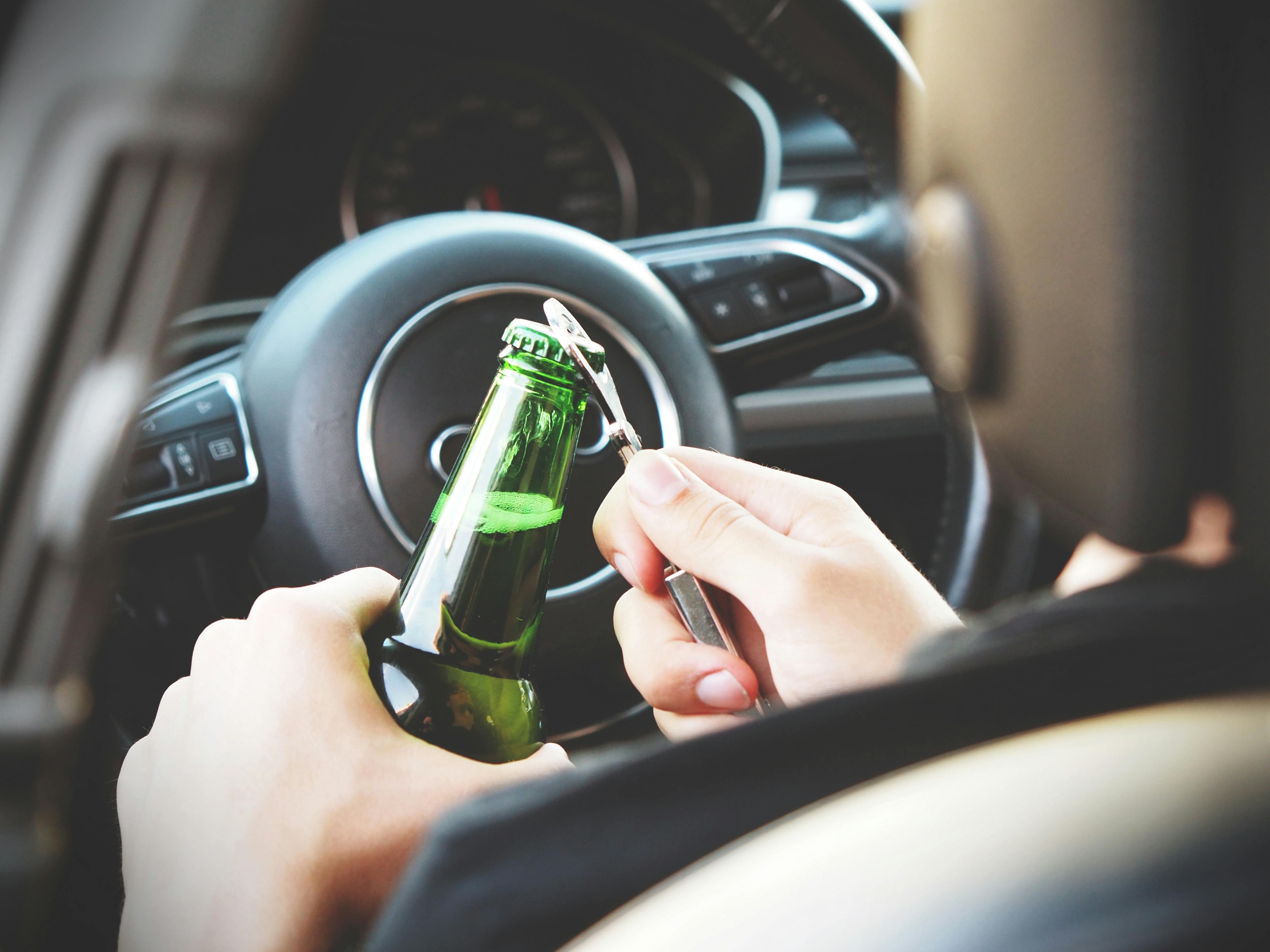
You head out for a night in Palm Beach County. Maybe you start on Clematis Street, then hop over to Atlantic Avenue in Delray Beach, or grab drinks near CityPlace in West Palm Beach. Everything feels normal. You are just relaxing, catching up, and enjoying the night.
Then the drive home happens.
That is where things change quickly.
Law enforcement across Palm Beach County increases DUI patrols during busy nights, weekends, and events. Officers set up checkpoints, watch for minor driving mistakes, and pull drivers over for things as small as drifting within a lane.
Even if you feel fine, Florida law does not rely on how you feel. It focuses on what an officer observes and what your BAC shows.
So before you get behind the wheel, it is worth asking one simple question. Could this night follow you for years?
If you are dealing with a DUI stop or arrest right now, BD Law can help you understand your options and act quickly to protect your license and record. Reach out today to discuss what happens next.
DUI Laws Palm Beach County: What Actually Counts as Driving Under the Influence in Florida?

Under Florida Statute 316.193, you can be charged with DUI if you are:
- Driving or in actual physical control of a vehicle
- Impaired by alcohol or drugs
- Or have a blood alcohol concentration of 0.08 or higher
Here is what catches people off guard.
You do not have to be actively driving. Sitting in your car in a parking lot near Mizner Park or outside a bar in Downtown West Palm Beach could still qualify if you have access to the keys.
Also, officers do not need a BAC reading to make an arrest. If they believe your normal faculties are impaired, that alone can lead to charges.
DUI Enforcement Palm Beach County: Why Do Police Increase Stops During Nights Out?
If you have ever noticed more police cars near I-95 exits, US-1, or A1A late at night, that is not random.
Palm Beach County law enforcement plans ahead.
Because areas like Clematis Street, Worth Avenue, and Delray Beach nightlife bring higher traffic and alcohol consumption, officers focus heavily on DUI prevention.
That usually means:
- More patrol cars watching for traffic violations
- DUI checkpoints set up on major roads
- Officers stationed near parking garages and exits
From a legal perspective, this increases the likelihood of DUI arrests, even for drivers who did not think they were over the limit.
DUI Checkpoints Palm Beach County: What Happens If You Drive Through One?
A DUI checkpoint is a controlled stop where officers briefly interact with drivers.
You might encounter one leaving areas near:
- Palm Beach Island
- Downtown West Palm Beach
- Delray Beach entertainment districts
At a checkpoint, officers will:
- Ask for your license and registration
- Watch your speech and behavior
- Look for signs like the smell of alcohol
If anything raises concern, they may ask you to step out of the vehicle.
Here is where many people make mistakes. Nervous talking, overexplaining, or volunteering information can escalate the situation quickly.


Facing DUI Charges? BD Law Can Help.
Speak With Our Top-Rated
DUI Defense Attorney
Refusing a Breath Test Florida: Is It Better to Say No or Comply?
Under Florida’s implied consent law, specifically Florida Statute 316.1932, you agree to chemical testing by driving on state roads.
If you refuse, your license can be suspended immediately. Repeat refusals bring harsher penalties. Plus, the refusal can be used against you
So while many people search for can you refuse a breath test in Florida, the real question is what consequences follow.
And those consequences begin right away.
Similar Post: Planning a Night Out? Here's How to Avoid a DUI in South Florida
Refusing a Test Is Now a Crime in Florida, Even on a First Refusal
This is the part most drivers do not realize yet.
As of October 1, 2025, refusing to submit to a breath, blood, or urine test after a lawful DUI arrest is a crime in Florida, even if it is your first time refusing. This change came from Trenton's Law, enacted as House Bill 687 (CS/HB 687), which updated Florida Statute 316.1939 and Florida Statute 316.1932.
Before this update, a first refusal usually meant only an administrative license suspension. Criminal charges were typically reserved for drivers with a prior refusal-related suspension or fine.
That is no longer the case.
Now, even a first-time refusal can lead to:
- A second-degree misdemeanor charge
- Up to 60 days in jail
- Up to $500 in fines
- An automatic one-year license suspension
If you have a prior refusal-related suspension or fine on your record, refusal is charged as a first-degree misdemeanor, with up to one year in jail and up to $1,000 in fines.
It is also important to remember that the refusal itself can be used as evidence against you in a separate DUI case. So you could face two charges from a single stop, one for the alleged DUI and one for the refusal.
For more on how this 2025 law change works, see BD Law's detailed guide on the breathalyzer law in Florida.
DUI Arrest Palm Beach County: What Happens Immediately After You Are Charged?
A DUI arrest moves fast.
After being stopped near areas like Southern Boulevard or Okeechobee Boulevard, you may be:
- Transported to a local facility
- Booked and fingerprinted
- Held or released depending on circumstances
Then the clock starts.
Within 10 days, you must request a formal review hearing to challenge your license suspension. Miss that window, and your options become much more limited.
This is one of the most important early steps in any DUI case.
Similar Post: What to Do Immediately After a DUI Arrest in West Palm Beach
DUI Penalties Florida: How Serious Are the Consequences for a First Offense?
Even a first-time DUI carries weight under Florida law.
Typical penalties include:
- Fines between $500 and $1,000
- Up to 6 months in jail
- License suspension up to 12 months
However, penalties increase if:
- Your BAC is 0.15 or higher
- A minor was in the vehicle
- There was property damage or injury
You may also face:
- Ignition interlock device requirements
- DUI school
- Community service
Many people searching DUI penalties in Florida do not realize how quickly costs and restrictions add up.
How to Avoid a DUI Palm Beach County: What Simple Steps Can Protect You?
Avoiding a DUI often comes down to planning ahead.
Before heading out:
- Use rideshare apps like Uber or Lyft
- Choose a designated driver
- Stay at a nearby hotel
- Limit alcohol intake
Also, avoid sitting in your car after drinking. That one decision creates a risk that many people overlook.
What to Do After a DUI Stop: How Should You Handle the Situation?
If you are pulled over, your actions matter immediately.
You should:
- Stay calm and respectful
- Provide your license and registration
- Avoid unnecessary conversation
Avoid:
- Arguing with the officer
- Admitting to drinking without being asked
- Making sudden movements
Many DUI defense cases involve small mistakes made during the stop itself.
DUI Laws Palm Beach County FAQ: What Are People Really Asking Right Now?
Can I Get a DUI Below 0.08 in Florida?
Yes. If an officer believes your normal faculties are impaired, you can still be arrested.
How Long Do I Have to Fight a License Suspension?
You have 10 days from the date of arrest to request a hearing.
Will a DUI Stay on My Record in Florida?
Yes. A DUI conviction can remain on your criminal record permanently.
Are DUI Checkpoints Legal in Florida?
Yes, as long as they follow constitutional guidelines.
DUI Arrest in Palm Beach County: How Do You Protect Yourself Before It Is Too Late?
A night out in Palm Beach County should not follow you into your future. However, DUI enforcement is aggressive, especially around high-traffic areas and nightlife hubs.
From checkpoints to strict penalties, even small decisions can have lasting consequences.
If you are dealing with a DUI stop or arrest, timing matters. The sooner you understand your options, the better your chances of protecting your license, your record, and your future.
BD Law works with individuals facing DUI charges in Palm Beach County and understands how quickly these situations develop. Call (561) 778-5213 or fill out our online contact form today to take the next step and get clarity on your case.
Disclaimer: This blog is intended for informational purposes only and does not establish an attorney-client relationship. It should not be considered as legal advice. For personalized legal assistance, please consult our team directly.